Dakbaksho Foundation is dedicated to fostering sustainable development, enhancing environmental resilience, and improving the quality of life in Bangladesh. As part of our mission to address
environmental challenges such as deforestation, air pollution, and the impacts of climate change, we
propose an ambitious Here is a list of the best trees for reducing air pollution initiative. This program
aims to contribute to environmental restoration, biodiversity conservation, and socio-economic
upliftment by promoting extensive tree plantation across the country.
Objective and Goals
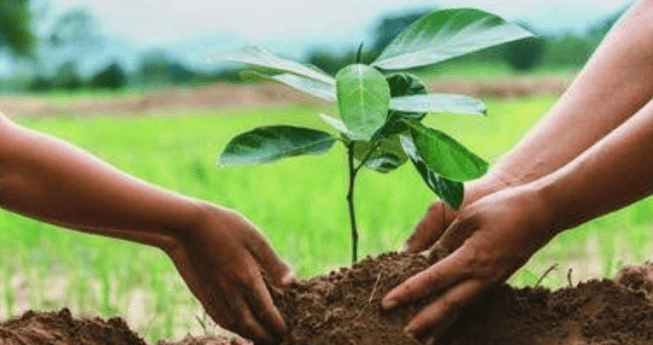
a) Improve air quality by planting trees that absorb carbon dioxide and release oxygen.
b) Prevent soil erosion, especially in coastal and hill regions, by planting tree species with
strong root systems.
c) Combat flooding and waterlogging by planting trees in watershed areas.
d) Increase community engagement and awareness about the importance of trees.
e) Promote sustainable livelihoods through agroforestry and fruit tree plantation.
f) Enhance local economies by growing trees that produce timber, fruits, and medicinal plants.
g) Launch nationwide awareness campaigns to educate the public on the importance of tree
plantation and its benefits for climate change mitigation and biodiversity.
h) Engage schools, universities, and local communities in educational programs and hands-on
tree planting activities.
Where air quality is a major concern Here is a list of the best trees for reducing air pollution:
- Neem
- Peepal
- Bamboo
- Moringa
- Shimul
The Tree Plantation Initiative by Dakbaksho Foundation is a critical step toward creating a
sustainable, green Bangladesh. By focusing on both environmental restoration and community
engagement, this initiative will play a vital role in combating deforestation, reducing carbon
emissions, and creating economic opportunities. With careful planning, strategic partnerships, and
ongoing community involvement, this program can contribute significantly to a greener, more
resilient Bangladesh